How to Choose the Right Treadmill or Walking Pad for Home
Choosing a treadmill or walking pad for home is not about finding the most powerful or feature-packed model. It’s about matching the machine to how you actually plan to use it: walking or running, short daily sessions or structured workouts, limited space or a dedicated room.
This guide walks through the key factors that truly matter in real-life use, so you can make a confident and practical decision.
1. Define Your Primary Goal
Start with how you realistically plan to train. This single decision influences motor power, deck size, storage needs, and budget more than any other factor.
- Walking: daily steps, light cardio, work-from-home movement.
- Walking + jogging: occasional runs, general fitness.
- Running: regular workouts, intervals, endurance training.
Buying a machine designed for more than you need often results in wasted space and money. Buying too little leads to discomfort and early replacement.
2. Walking Pad vs Traditional Treadmill
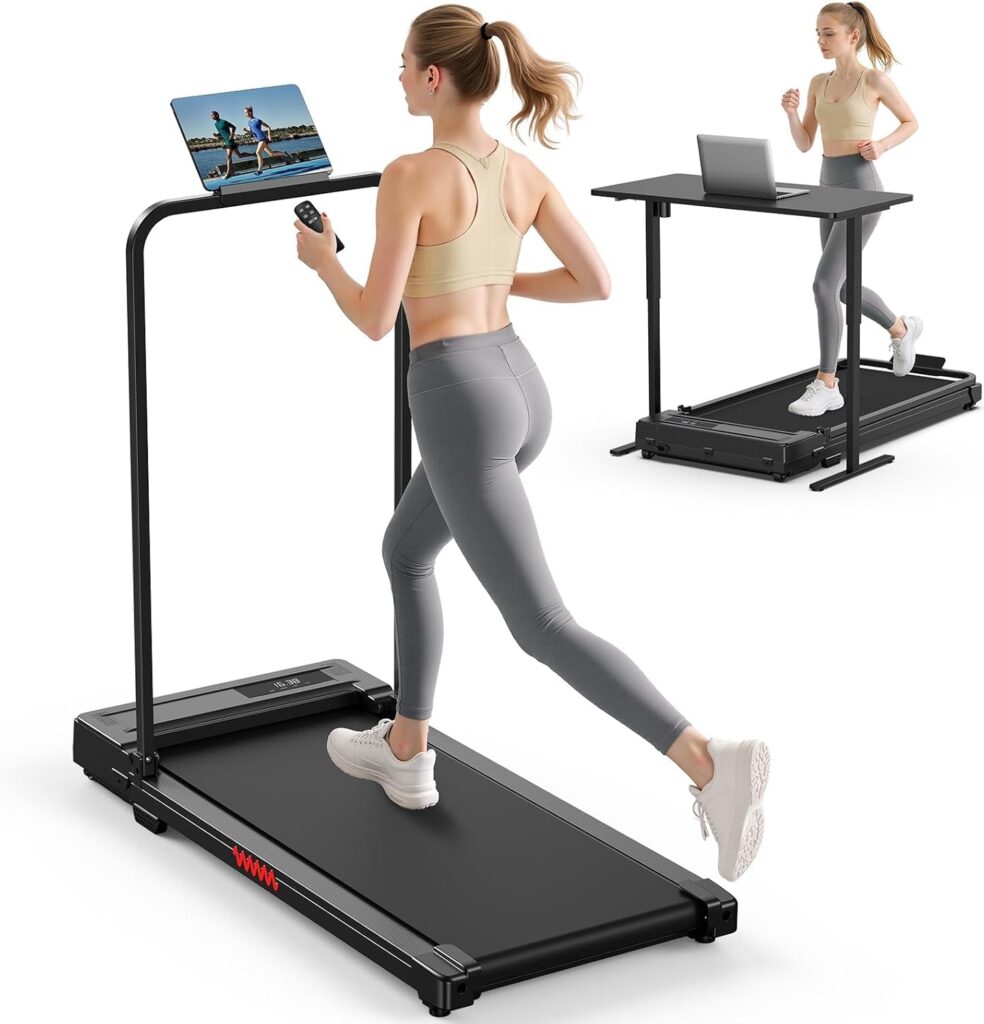
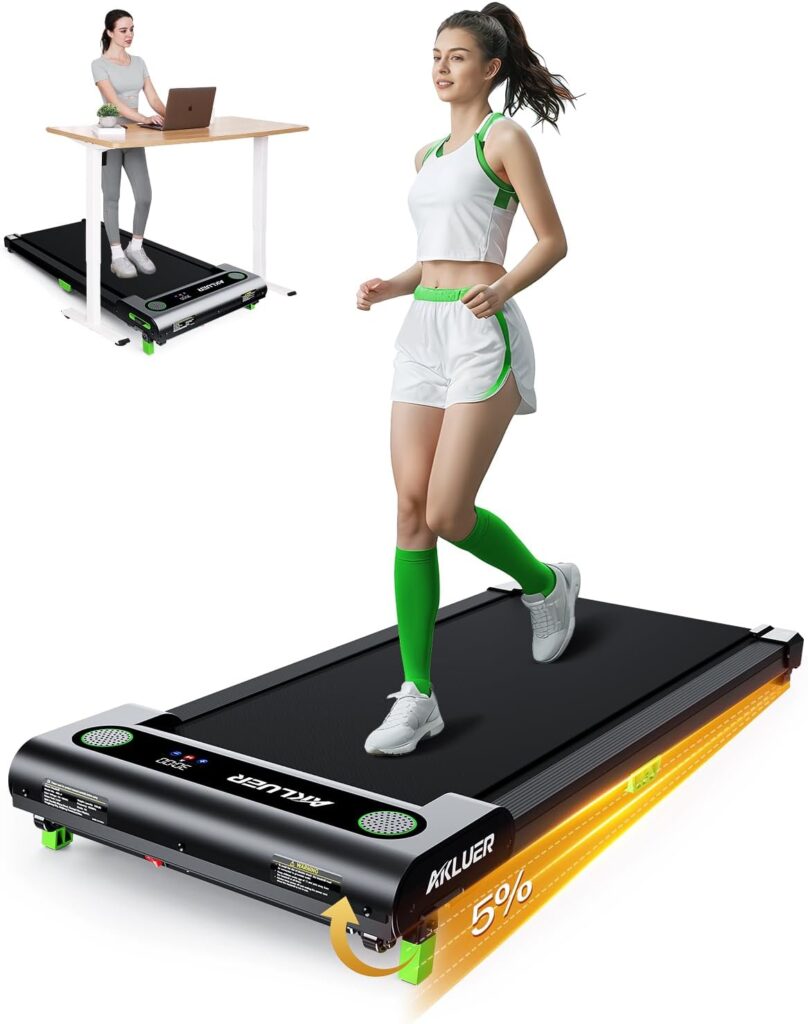
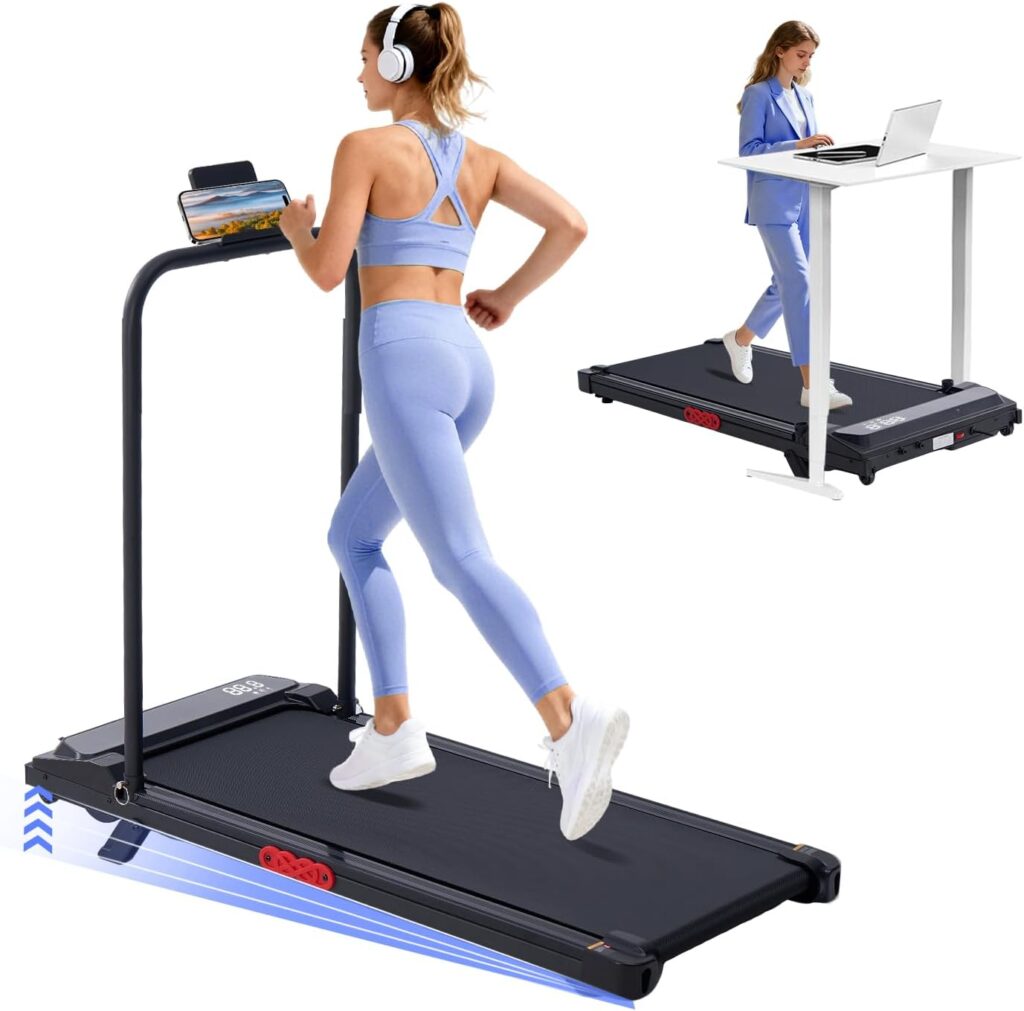
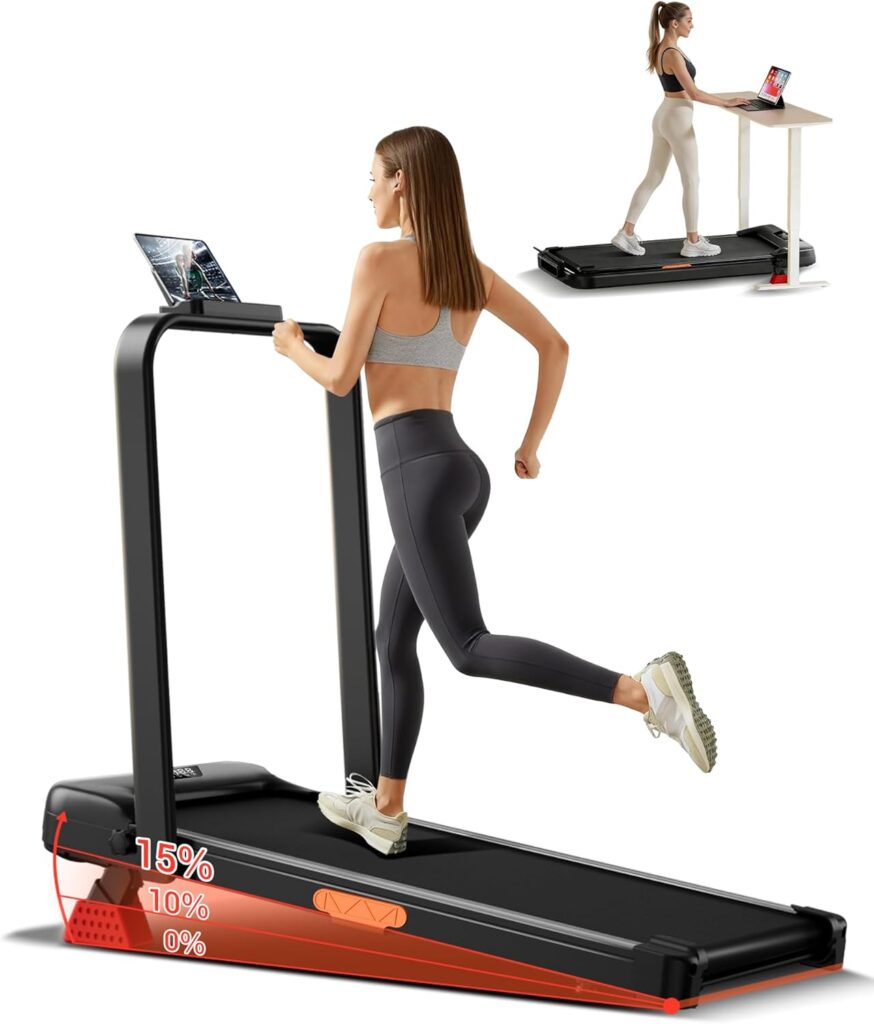
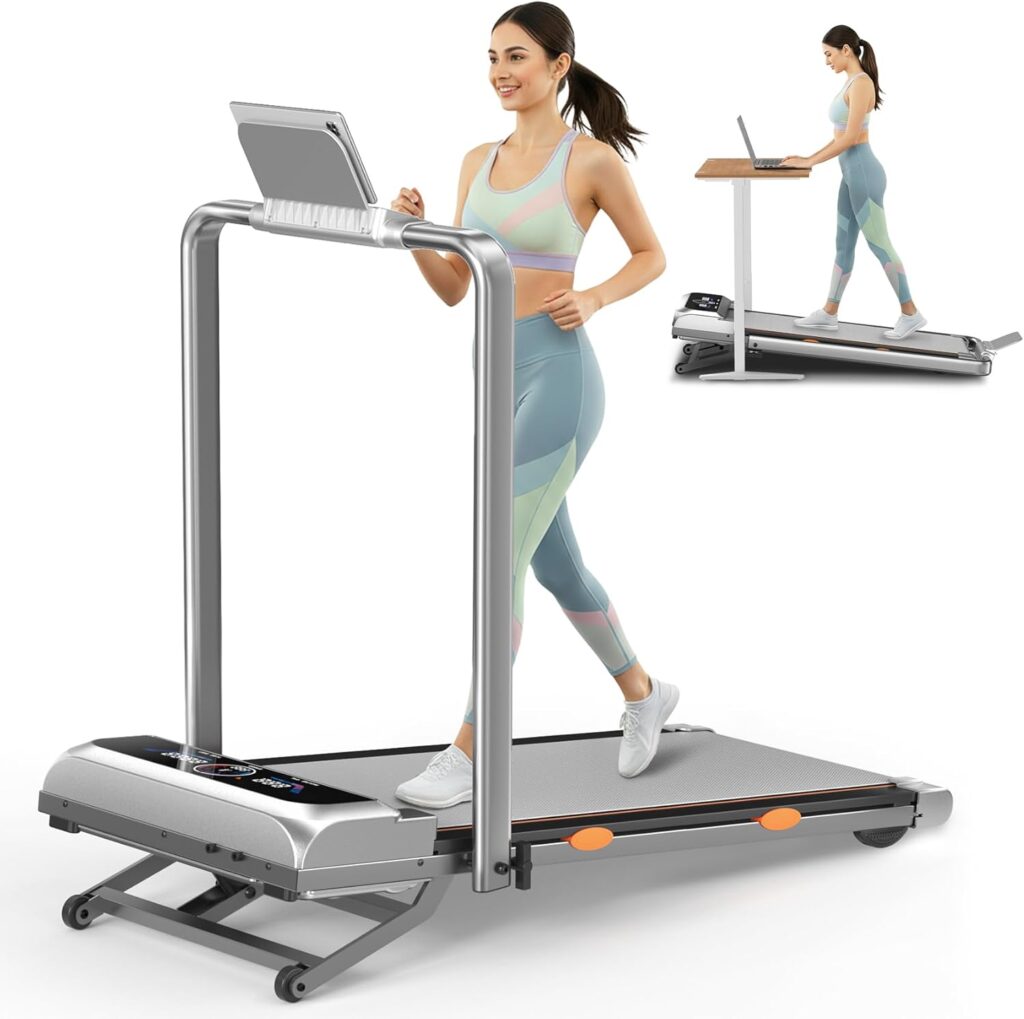
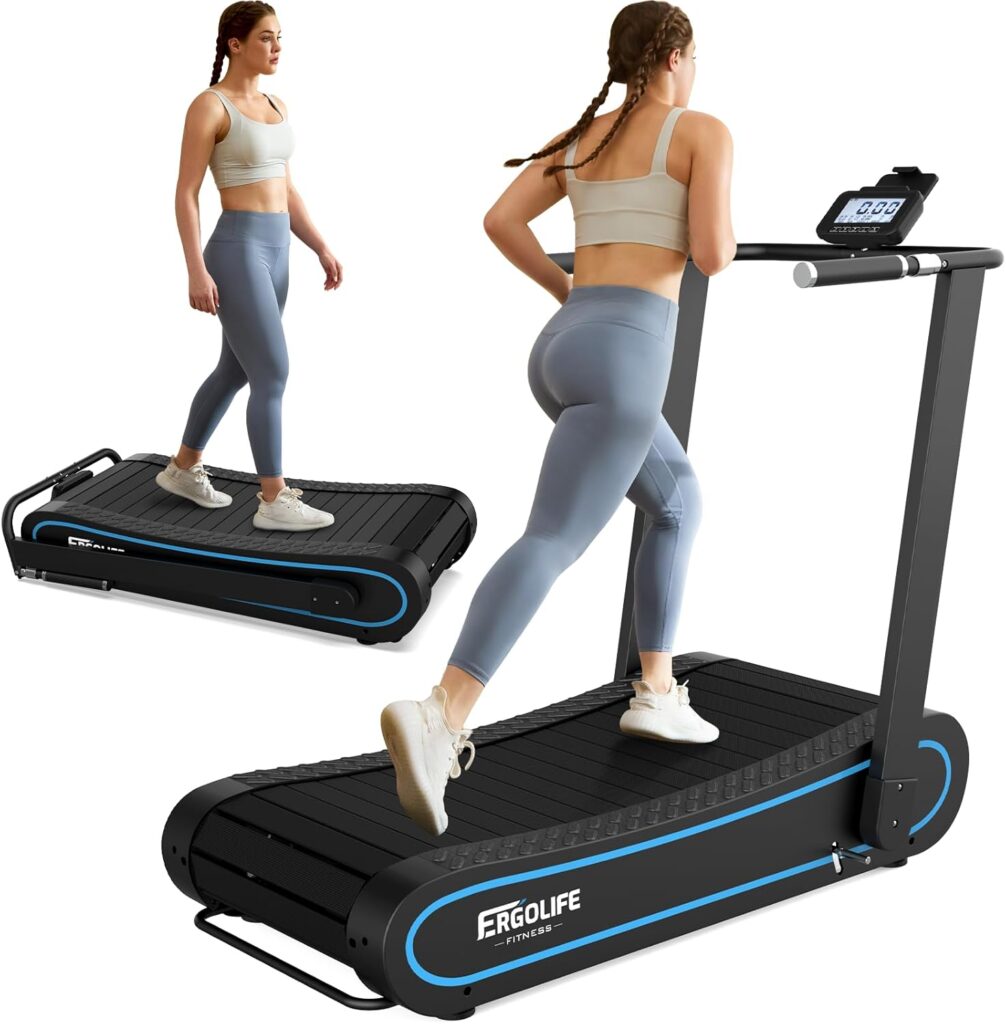
Walking pads are compact, low-profile machines designed primarily for walking. They are ideal for small apartments and under-desk use.
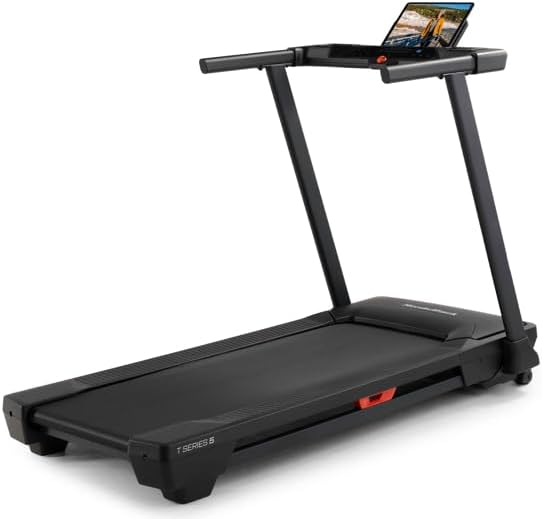
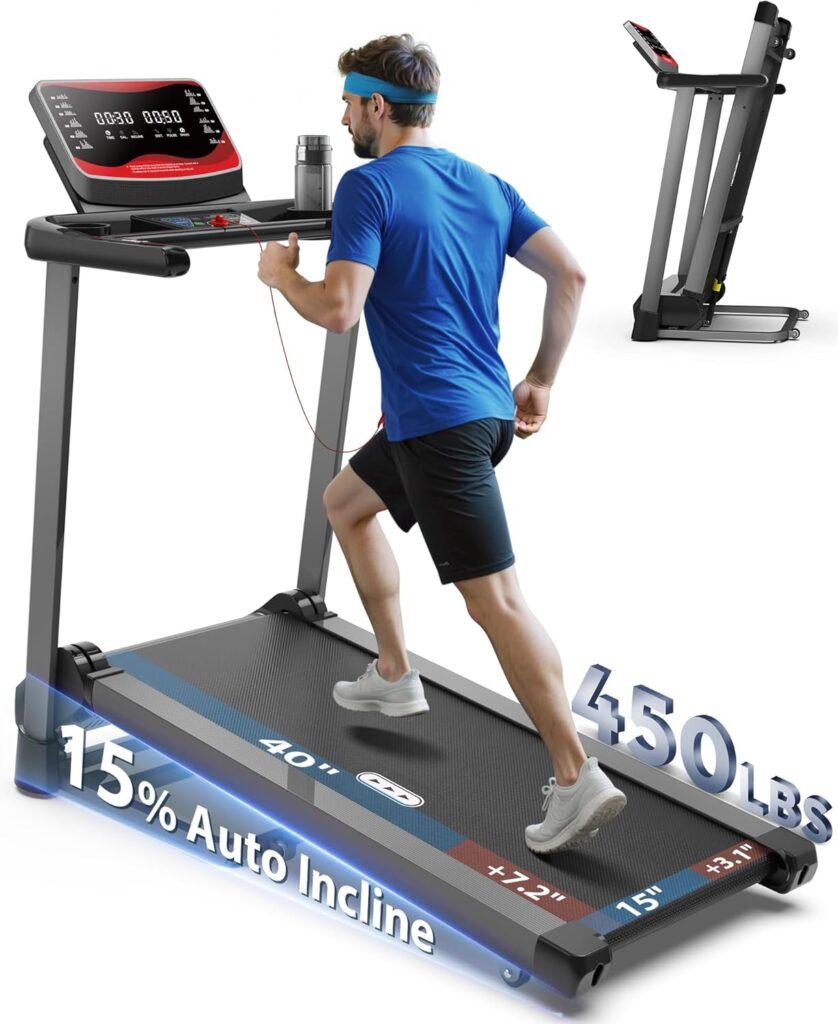
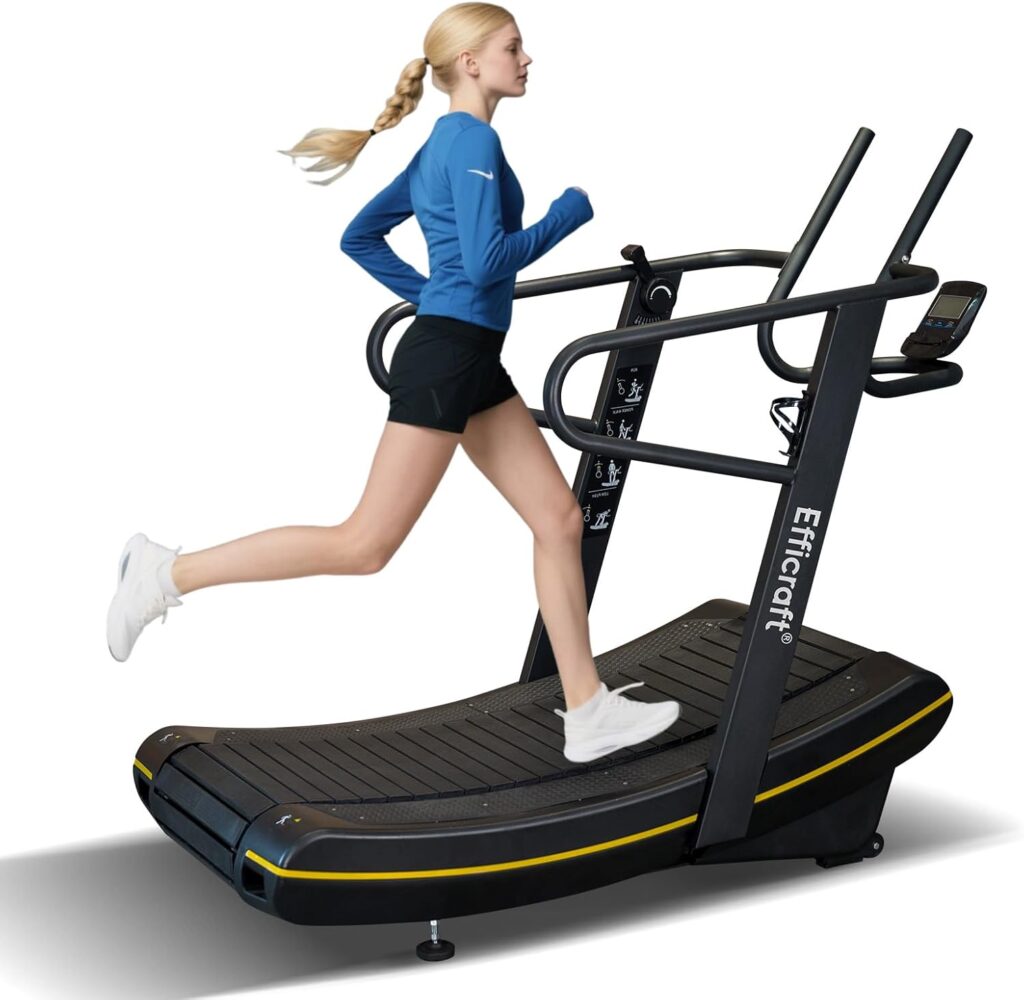
Traditional treadmills offer larger decks, stronger motors, and higher speed ranges, making them better suited for jogging and running.
- Walking pad: compact, quiet, easy to store.
- Treadmill: more powerful, stable, versatile.
3. Motor Power and Performance
Motor power determines how smoothly the treadmill maintains speed under load. For home use, continuous horsepower (CHP) is more important than peak values.
- Up to 2.0 HP: walking and very light jogging.
- 2.0–2.5 HP: walking and jogging several times per week.
- 2.5–3.0+ HP: regular running and interval training.
Choosing slightly more power than you need reduces noise and improves durability.
4. Cushioning and Impact on Joints

Cushioning is one of the most underestimated factors when choosing a treadmill. It directly affects joint health, long-term comfort, and how consistently you will be able to train. Poor cushioning increases stress on knees, ankles, and the lower back — especially for heavier users or anyone training several times per week.
Most modern treadmills combine deck flex with rubber or elastomer shock absorbers. Softer systems absorb more impact and feel forgiving during walking, rehabilitation, or recovery workouts. Firmer decks, on the other hand, provide better energy return and stability for faster running and interval training.
- Softer cushioning: ideal for walking, rehab, and joint protection.
- Balanced systems: suitable for mixed walking and running routines.
- Firmer decks: preferred by experienced runners and higher speeds.
6. Speed, Incline, and Training Variety

Speed and incline determine not only how challenging your workouts can be, but also how efficiently you burn calories and build cardiovascular endurance. Incline training is especially valuable because it increases intensity without requiring higher running speeds.
Even a moderate incline significantly raises heart rate and calorie expenditure. For many users, walking at an incline is more joint-friendly than running flat, while still delivering comparable cardiovascular benefits. Incline also simulates outdoor hills, making indoor workouts less monotonous.
- Walking: 6–8 km/h is sufficient for daily activity and desk use.
- Running: look for 10–12 mph (16–19 km/h) for progression.
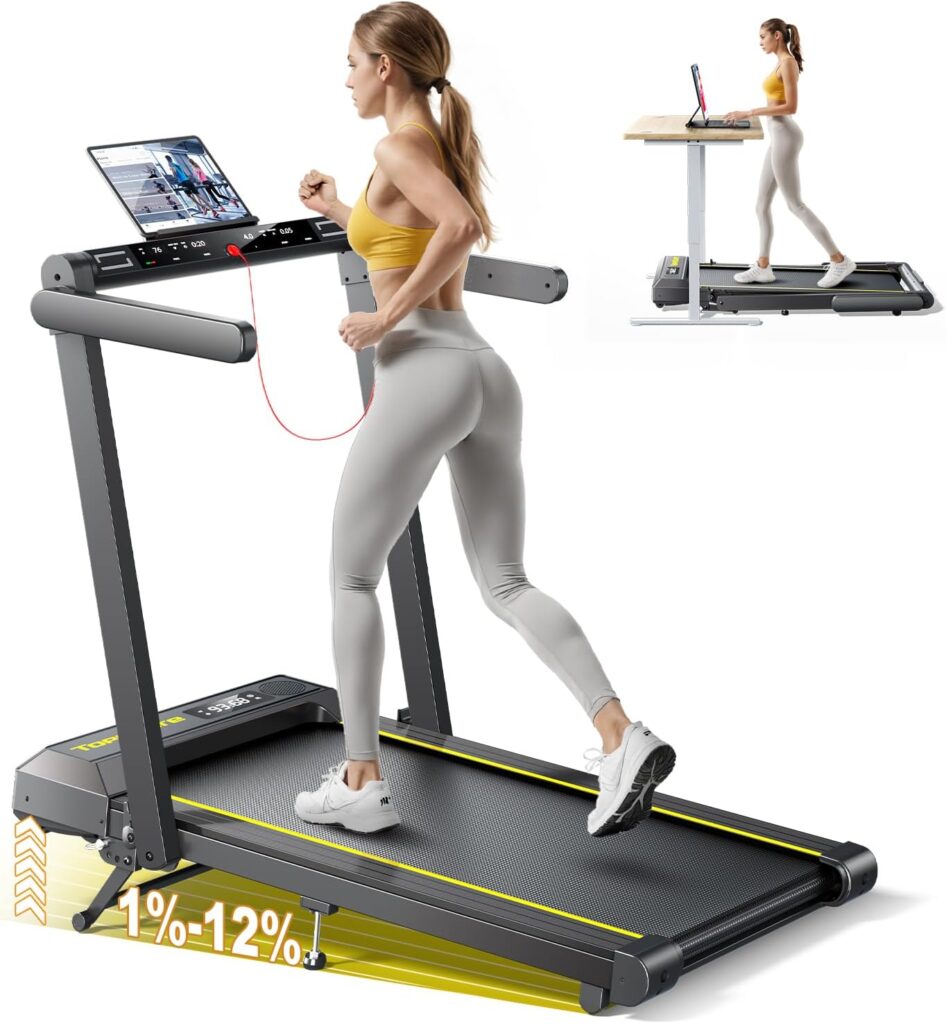
- Incline: electric incline up to 10–12% adds serious training variety.
7. Size, Folding, and Storage

Storage convenience strongly affects how often a treadmill actually gets used. A powerful machine that is difficult to move or store often ends up unused — especially in apartments or shared living spaces.
Before buying, consider not only the treadmill’s footprint during workouts, but also its dimensions when folded or stored. Many users underestimate storage height, thickness, and weight, which later becomes a daily inconvenience.
Walking pads and traditional treadmills approach space-saving very differently. Walking pads focus on ultra-low height and minimal structure, while folding treadmills reduce length but usually remain heavier and taller.
- Walking pads: typically 5–7 inches (12–18 cm) high, slide under beds or desks.
- Folding treadmills: folded height often 100–150 cm, need vertical storage space.
- Non-folding models: require a permanent dedicated area.
8. Console, Controls, and Smart Features

Control systems affect both safety and comfort. In practice, simplicity is often more valuable than a long list of features. Clear displays and quick-access controls matter far more during real workouts.
For running, physical buttons are safer and easier to use than touchscreens. Walking pads benefit from remote controls, especially when used under a desk. Apps are useful for tracking progress, but less important for real-time control.
- Physical buttons: safest option for higher speeds.
- Remote control: essential for under-desk walking.
- Apps & Bluetooth: useful for motivation and data tracking.